




 By Iblal Iqbal
Part of: Financial Settlement after Divorce
Who gets the house in a divorce depends on what each of you needs next, not on whose name sits on the deeds. In England and Wales a judge can transfer the family home (Matrimonial Causes Act 1973, s.24), order a sale, or put the sale off until a set event (s.24A). So ownership on paper is only the starting point. Because the home is usually the largest asset, it shapes the whole financial settlement after divorce.
If you are lying awake wondering whether you will have to leave, you are not alone. This guide covers England and Wales only, and the rules in Scotland and Northern Ireland differ. It explains your four realistic options, what a judge weighs, and the simple steps that protect your position now.
Reviewed by: Garry Steedman, Family Law Consultant (Divorce, Children & TOLATA), Kabir Family Law
Key takeaways
- The deeds are not the answer. A judge can order one spouse to transfer the home to the other, whoever owns it on paper (Matrimonial Causes Act 1973, s.24).
- Needs come first. The court weighs a set list of factors and gives first consideration to the welfare of any child under 18 (s.25).
- Four usual outcomes. Sell and split, one buys the other out, one stays for now and the sale waits, or one keeps the home and gives up other assets.
- A non-owner still has a right to stay. Home rights protect a spouse who is not on the title, and you can register them (Family Law Act 1996, s.30).
- Only a court order closes the door. If your agreement is not legally binding, a court cannot enforce it (GOV.UK), so agreed terms go to a judge as a financial consent order.
Who gets the house in a divorce? UK rules in England and Wales
Nobody gets the house automatically. When people ask who gets the house, divorce law in England and Wales looks first at what each of you needs, and at the needs of any children. Therefore a court starts with housing, not with fairness in the abstract.
You and your spouse can agree this between yourselves. A judge only decides if you cannot agree. Either way, the same benchmark applies: could both of you be housed, and could any children stay settled? GOV.UK sets out the same framework in its guide to money and property when you divorce or separate, which says judges make arrangements for children first, especially their housing.
An equal split of the home is common, but it is not a rule. The law sets no fixed percentage, and fairness sometimes means an unequal share. For example, the parent caring for young children may need a larger slice to rehouse everyone.
Does it matter whose name is on the title deeds?
It matters far less than most people expect. Ownership on the register decides who can sell today. It does not decide what a judge can order tomorrow. Even a home bought before the marriage, and held in one name, is property the court must take into account (s.25(2)(a)).
Meanwhile, a spouse who is not on the title is not powerless. Matrimonial home rights mean the owner cannot evict or exclude you without a court order (Family Law Act 1996, s.30). You can also register them at HM Land Registry, which GOV.UK says can help stop your partner selling your home. They usually last only until the divorce is final, unless a court extends them.
Where safety is the issue, rather than ownership, a different order applies. Our guide to the occupation order explains how a court can decide who lives in the home in the short term.
What happens to the house in a divorce? The four options
Almost every divorce outcome for the house is a version of four choices. The table below shows what each one usually means in practice. Use it to see which route fits your situation, not to work out your own figures.
| Option | How it works | Often suits | Watch out for |
|---|---|---|---|
| Sell and split | The home goes on the market and you divide the net proceeds on agreed shares. | Couples with enough equity for two homes, or with no children at home. | Two smaller homes cost more than one. Selling costs and early repayment charges bite. |
| Buy-out | One of you keeps the home and pays the other a lump sum, using a transfer of equity. | A partner who can carry the mortgage alone. | The lender usually has to agree. Affordability on one income is the usual sticking point. |
| Deferred sale | One of you stays for now, and the sale happens later on an agreed trigger. | Families who want children to stay in the same school and home. | Both of you stay tied to the property for years, so the other side waits for their money. |
| Offsetting | One keeps the home, and the other keeps more of the pensions, savings or investments. | Couples with a large pension alongside the house. | A pound of housing is not a pound of pension. Values need expert comparison. |
How does a court decide who keeps the house in a divorce?
A judge works through the factors in section 25 of the Matrimonial Causes Act 1973. First consideration goes to the welfare of any child of the family under 18. After that, the list below shapes the answer.
- Housing needs. Where will each of you live, and where will the children sleep? The court must weigh each person’s financial needs and responsibilities (s.25(2)(b)).
- Income and earning capacity. What each of you earns now, and could reasonably earn, including any change a carer could make (s.25(2)(a)).
- Resources. Everything you each own or expect, which is why full financial disclosure comes before any deal (what is a Form E).
- Standard of living and length of marriage. How the family lived before the marriage broke down, and how long the marriage lasted (s.25(2)(c) and (d)).
- Age, health and contributions. Including the contribution of raising children and running a home (s.25(2)(d) to (f)).
- Conduct, but only rarely. It counts only where it would be inequitable to ignore it (s.25(2)(g)). Our guide to conduct under section 25 explains the high bar.
- A clean break, where possible. The court must consider ending financial ties between you (s.25A).
This list orients you. It does not price your settlement, because the same facts produce different answers in different families. That is also why no online house split calculator can tell you what a judge would order.
Is there a house split calculator for divorce?
Online versions exist, but a divorce house split calculator can only do the arithmetic: the value, less the mortgage and selling costs, divided in two. The law in England and Wales has no formula for the division itself. Section 25 of the Matrimonial Causes Act 1973 lists matters for the court to weigh and puts no percentage on any of them, so halving the equity only guesses at the outcome.
What decides the house split in a divorce?
Four things usually decide how the home is divided. The children’s housing comes first, because the court gives first consideration to the welfare of any child under 18 (s.25(1)). Next come each adult’s needs, starting with where you will both live (s.25(2)(b)). Contributions count in money and in care, including looking after the home and the family (s.25(2)(f)). Mortgage capacity matters too: the court weighs what each of you earns and could earn (s.25(2)(a)), and a lender decides whether one income can carry the loan. GOV.UK explains that a judge looks for the fairest division if there is enough to meet everyone’s needs, which is why needs lead when money is tight.
The three questions below show which of those four is likely to drive the split in your case, and which decision needs a specialist.
Choose an answer to each question and these four lines fill in for your situation. Your answers stay in this browser.
What will probably drive the splitNeeds, the children’s home, or a fair division
Mortgage capacityWhether keeping the home is realistic
ContributionsWhat each of you put in, in money and in care
The judgement callThe decision to take to a specialist
Can you stay in the home until the children finish school?
Often, yes. A court can direct that a sale waits until a set event, such as the youngest child finishing school (s.24A(4)). People sometimes call this a Mesher order. Ownership is usually shared until then, and the sale happens later on the shares you agree now.
However, a delay is not free. The other party waits years for their money, and you both stay financially linked. Repairs, insurance and mortgage payments all need spelling out at the start. Above all, the trigger events must be clear, or you simply argue again later.
What happens if the house is sold during the divorce?
Selling the house during a divorce is the cleanest route, and many couples choose it. If one of you refuses, the court can still make an order for sale alongside the main financial order (Matrimonial Causes Act 1973, s.24A).
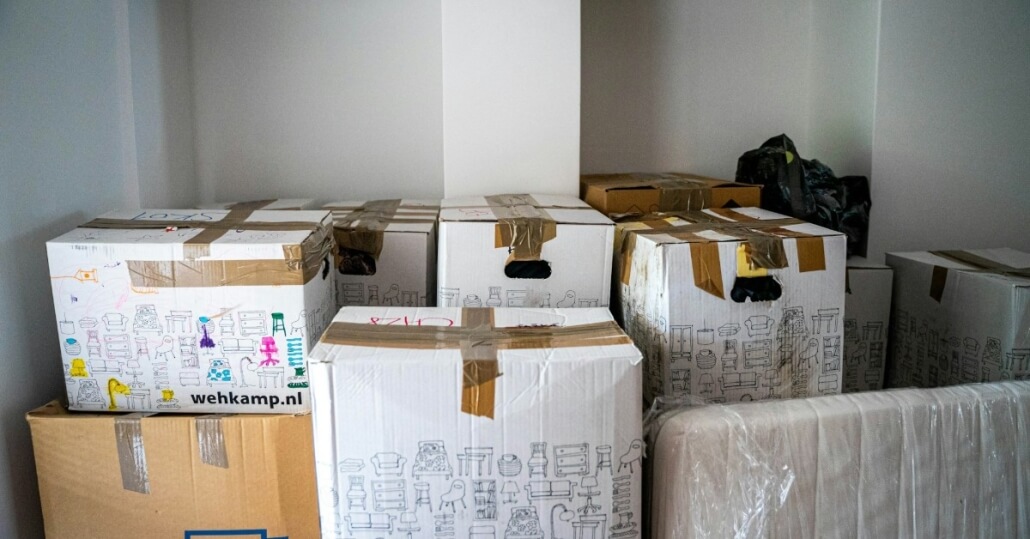
Few couples split the proceeds down the middle without thought. First the mortgage and the sale costs come off. Then you divide the balance on the shares your order sets out. Finally, one of you may take more, because a rehousing need or a childcare role justifies it.
How do you take a former partner off the mortgage?
You need two separate things. First, a transfer of equity in a divorce moves the legal ownership into one name. Second, the lender usually has to agree to release the other borrower. A family court order is made between the two of you, so on its own it does not change your mortgage contract.
So affordability is the real test. Lenders look at your income, the remaining balance and your outgoings. If the sums do not work, a longer term or a cheaper home may help. Until the release happens, both names stay on the debt, whatever your order says.
What is the biggest mistake people make about the house in a divorce?
Walking away on a handshake. A divorce ends the marriage, but it does not end money claims. A court can make a property adjustment order at any time after the divorce (s.24(1)), so an ex-partner who has not remarried can come back years later (s.28(3)). A court order that deals with your finances is what normally closes that door.
Two further mistakes cost people dearly. Some agree a split before either of you has seen the full picture of pensions, savings and debts. Others move out quickly, then find the arrangement has hardened into the new normal. In short, get the facts first, then agree, then ask a judge to approve it.
Frequently asked questions
Does the house always get split 50:50 in a divorce?
No. The law sets no fixed split, whether 50:50, 60/40 or 70/30. A judge looks for the fairest division once everyone’s needs can be met, and arranges children’s housing first. So if one of you cannot rehouse the children on half the equity, a larger share is possible.
Who gets the house in a divorce with children over 18?
Once every child is 18, the court no longer gives first consideration to a child’s welfare under section 25(1). The focus then turns to your two housing needs and a fair share. However, the court can still make some orders for an adult child in education or training, or where special circumstances apply (s.29(3)).
Can my wife take half my savings in a divorce?
Not automatically. Savings in either name count as resources the court must consider, whoever holds the account. The court looks at the whole picture, so it weighs savings, pensions and the home together rather than one by one. How they are divided then depends on needs, contributions and the length of the marriage.
Who suffers most financially in divorce?
There is no fixed answer. One budget now has to stretch across two homes, which can press hardest on whoever earns less or has cared for the family. That is why the court must weigh earning capacity and contributions to looking after the home. In practice, early advice and full disclosure matter far more than who applies first.
How can I avoid losing my house in a divorce?
Start by registering home rights if the home is in your spouse’s sole name, which can help stop a sale behind your back. Next, gather evidence of what you each own, owe and earn. Then take advice before you agree anything. Nobody can promise you keep the home, but preparation widens the options in front of you.
Can I change the locks or make my ex leave?
Not simply because you want space. A spouse with home rights cannot be evicted or excluded without a court order, and a joint owner has their own right to live there. A court can order one person to leave, weighing housing needs, money, safety and conduct (Family Law Act 1996, s.33). Otherwise, changing the locks tends to backfire.
Worried about the house in your divorce? Get advice before you agree a split
Once you sign up to a split of the home, unpicking it is hard, because an order transferring the home generally cannot be varied later. Book a free initial consultation, where one of our specialists gives you initial advice tailored to your circumstances. You can also read how the home fits into a wider financial settlement after divorce.
Expert Tip
We are commonly asked whether moving out weakens a claim on the family home. It does not end your claim, but it does change the practical picture, because a new routine can quickly look like the settled arrangement. If you must leave, say in writing that you are not giving up your interest. If the home is in your spouse’s sole name, register your home rights straight away. Then get advice quickly, while every option is still open.
Iblal Iqbal, Partner & Family Law Strategist