











Part of: Domestic Abuse and Child Contact: Current Law
Trauma bonding is a deep emotional attachment to someone who is hurting you, often built when harm is mixed with warmth or apology. It can explain why you might miss, defend or return to a partner or relative who treats you badly.
The law in England and Wales does not use the term, but the behaviour behind it can be domestic abuse, with or without violence (Domestic Abuse Act 2021, s.1). Our non-molestation order specialists assist and advise people in exactly this position. This is general guidance, not a diagnosis or advice on your case.
Reviewed by: Hannah Overton, Complex Children Specialist & Client Support, Kabir Family Law
Key takeaways
- It is not a legal term. No UK legislation uses the phrase, but the behaviour behind it can be domestic abuse (Domestic Abuse Act 2021, s.1).
- The pull is a known effect of abuse. Home Office guidance says abuse can leave people feeling isolated, worthless and dependent (statutory guidance, para 112).
- Going back does not wipe out the past. Family courts look at the whole pattern of controlling behaviour (Re H-N [2021] EWCA Civ 448).
- You can ask for protection while you still care. A non-molestation order can ban molestation in general or particular acts (Family Law Act 1996, s.42).
- Leaving needs a plan. Guidance for judges notes that victims can be at higher risk when they leave (Equal Treatment Bench Book, chapter 6).
If you are in danger now, call 999 and ask for the police. If you cannot speak on a mobile, press 55 when prompted. To talk to someone when you are not in immediate danger, call:
Refuge’s National Domestic Abuse Helpline: 0808 2000 247, free and confidential, 24 hours a day.
The Men’s Advice Line: 0808 801 0327, a confidential helpline for male victims.
Both numbers are on GOV.UK. If someone checks your phone, read this on a device they cannot see.
What does trauma bonding mean?
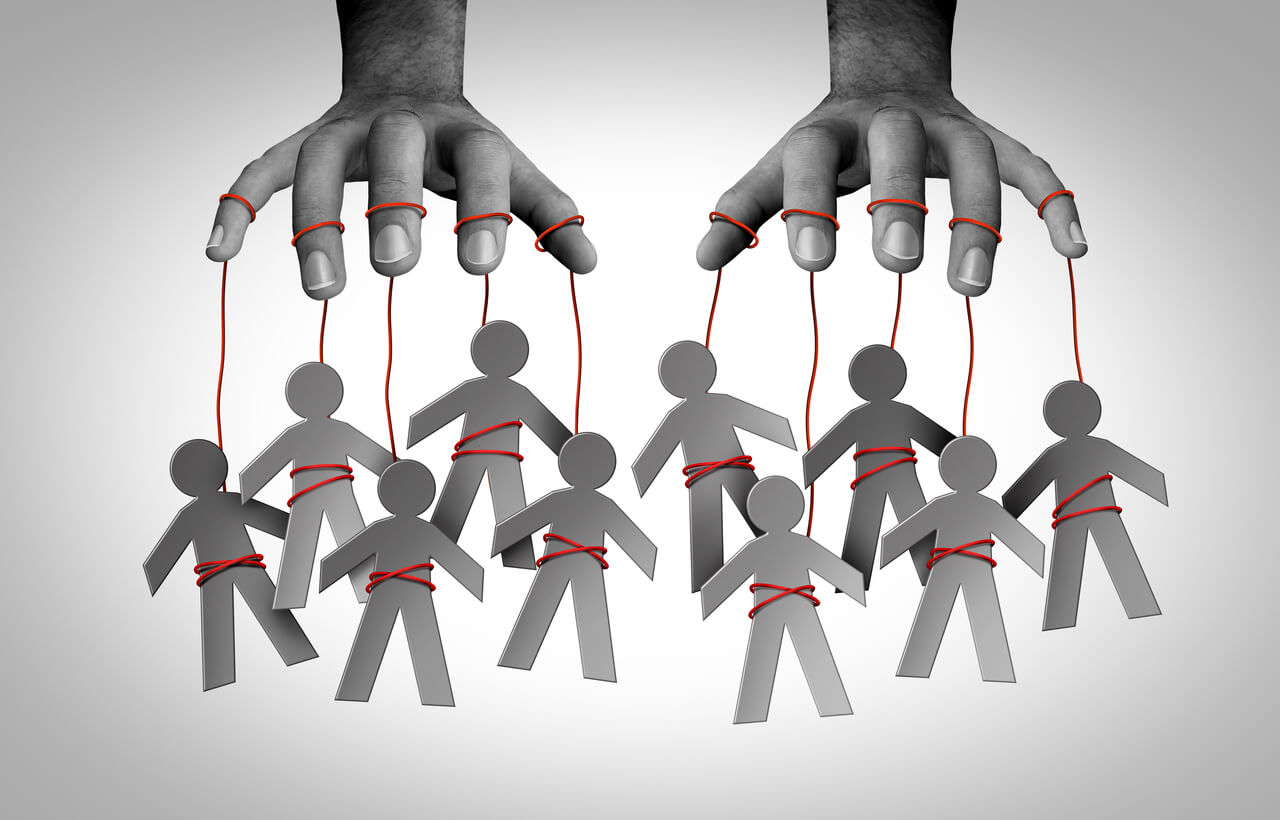
If you looked up the trauma bonding meaning because something felt familiar, you are not alone. The phrase describes a strong pull towards someone who causes you harm. Bad times alternate with good ones: an outburst, then an apology, a gift or a promise to change. As a result, the good days feel like proof the relationship is worth saving.
Is there a trauma bonding definition in law?
No. The term is not used in UK legislation or in Practice Direction 12J, the family court’s rules on abuse in children cases.
Even so, Home Office guidance describes the same ground: abuse can lead someone to adopt the abuser’s view, blame themselves and doubt their own experience (para 113). So when a court is involved, the focus is on the other person’s behaviour, not on a label for your feelings.
How does a trauma bond form?
A trauma bond usually builds slowly, and nobody chooses it. It grows from fear, hope and dependence.
- Warmth after harm. Kindness that follows cruelty can feel bigger than it is, so you hold on to it.
- Isolation. Once you are cut off from friends and family, the other person becomes your main comfort. Home Office guidance treats isolating a victim from support as controlling behaviour.
- Dependence. Control over money, housing or immigration status can put leaving out of reach.
- Threats. Some people threaten suicide to stop a partner leaving, which the same guidance lists as a controlling tactic.
Our guide to hidden forms of abuse looks at why leaving can feel impossible.
What are the 10 signs of trauma bonding?
These are the signs people most often describe. Some call them trauma bonding symptoms, but they are not a diagnosis, and you do not need a label to ask for help.
- You defend them, even after they have hurt you.
- You hide what happens at home, or play it down.
- You feel responsible for their moods.
- You believe that trying harder would bring back the early days.
- You feel guilty or anxious at the thought of leaving.
- You hold on to the good days as proof they have changed.
- You have left before and gone back.
- You doubt your own memory of what happened.
- You feel you could not cope without them.
- You miss them, even though you are safer apart.
GOV.UK lists being told the abuse is your fault as a sign of domestic abuse. Home Office guidance adds that shame, fear and hope of change can stop people seeking support (para 148). If you recognise yourself here, that says more about what you have lived with than about you.
What are the stages of a trauma bond?
Many articles describe seven stages of a trauma bond. This is a popular model rather than a legal standard, and real relationships rarely follow it neatly.
- Intense early attention. A rush of affection, often called love bombing, makes you feel special.
- Trust and reliance. You come to rely on them, emotionally and often practically.
- Criticism creeps in. Put-downs and blame begin, mixed with the old warmth.
- Doubting yourself. You are told your memory or reactions are wrong, and you start to believe it.
- Giving in to keep the peace. You change how you behave to avoid their anger.
- Losing your sense of self. Friends, interests and confidence fall away.
- Hooked on the relief. The good moments feel so strong that you keep going back.
Wherever you are in that pattern, the law does not ask which stage you reached. Instead, it asks what the other person did.
What is a trauma bonding relationship?
In practice, it is one where the harm and the attachment grow together. These examples are illustrations, not real cases.
- A partner who controls the money. They question every purchase, then buy you a thoughtful gift after each row. You feel grateful, then guilty for wanting out.
- An ex who threatens to harm themselves. Whenever you stop replying, they say they cannot live without you, so you answer again.
- A parent or adult child. You hide their behaviour because you feel responsible for them.
The domestic abuse law covers partners, ex-partners, parents of the same child and relatives (Domestic Abuse Act 2021, s.2).
Does trauma bonding matter in family court?
Yes, though not as a label. A family judge will not decide whether you were trauma bonded. Instead, the court looks at what happened and what it means for safety. The Court of Appeal has said that whether there was a pattern of coercive or controlling behaviour is likely to be the primary question in many abuse cases (Re H-N, para 51).
That helps if you went back, because treating past controlling behaviour as irrelevant is, in the court’s words, “old fashioned” (para 52). The judges’ Equal Treatment Bench Book also recognises “a number of significant reasons” why women do not leave dangerous partners.
| What happened | How it may be used against you | What the court is guided to look at | What to get advice on first |
|---|---|---|---|
| You went back | “It cannot have been that bad.” | The reasons people stay, which judges’ guidance recognises | How you explain the return |
| You withdrew what you told the police | “The allegation was untrue.” | Disputed facts, decided on the balance of probabilities | What you say about why you withdrew |
| You sent warm messages | “The relationship was normal.” | The whole pattern, not single incidents (PD12J, para 19) | Which messages to rely on |
| You still have contact for the children | “You are not really afraid.” | Whether contact would expose a child to an unmanageable risk of harm (PD12J, para 35) | What to ask the court for |
On its own, none of these ends your options, but the explanation matters. Our guide to the trauma-informed approach in family court explains how courts can allow for the effects of abuse.
What if you have children?
Their welfare is the court’s paramount consideration (Children Act 1989, s.1). Practice Direction 12J says domestic abuse harms children, even when they are too young to understand it.
A related child who sees or hears the abuse, or experiences its effects, also counts as a victim (Domestic Abuse Act 2021, s.3). Our page on domestic abuse and child contact explains more.
How can you break free from trauma bonding safely?
Breaking a trauma bond usually takes time, support and distance. Safety comes first, because leaving can be a risky time.
- Talk to a specialist service. Refuge’s helpline is free, confidential and open 24 hours.
- Tell one person you trust. Isolation feeds the bond, so one trusted person makes a difference.
- Keep a private record, if it is safe. Store dates and messages where they cannot be found.
- Get advice before a big step. Moving out, reporting or agreeing child arrangements can each have legal effects.
The court can help too. A non-molestation order can protect you or your child from harm or threats, and there is no fee to apply (GOV.UK). Breaking one without reasonable excuse is a crime carrying up to five years in prison (Family Law Act 1996, s.42A). In an emergency, the court can act without the usual notice to the other person (s.45).
The law does not ask whether you still love them, only whether you are “associated”, for example as spouses, former cohabitants or relatives (s.62). The court then considers what is needed to protect your health, safety and well-being.
Trauma bonding checklist: is your next step on track?
Before your next move, see what is already in place.
There is no score. Anything you cannot tick yet is worth raising with a specialist.
The calls a checklist can’t make for you
- Whether you need a protective order now, even while you still have contact.
- How to explain a return, or a withdrawn statement, so a court sees the whole pattern.
- What your next step means for your children and any child arrangements.
They turn on your own facts, and are far easier to get right before you act.
Book a free initial consultation
One of our specialists will give you initial advice on your situation.
Frequently asked questions
What is trauma bonding?
It is a strong emotional attachment to someone who is harming you, often fed by a mix of abuse and kindness. The law in England and Wales does not use the term, but the behaviour behind it can be domestic abuse under the Domestic Abuse Act 2021.
How can I break a trauma bond with someone?
Start with safety. Talk to a specialist helpline, tell someone you trust and limit contact where it is safe to. Leaving can be a higher-risk time, so plan it with support, and ask about a non-molestation order if you need protection.
How do you know you are trauma bonded?
Common signs include defending the person, feeling responsible for their moods, blaming yourself, doubting your memory and going back after leaving. Spotting these signs is not a diagnosis, but it is a good moment to talk to someone.
What are the 7 stages of a trauma bond?
A widely shared model lists intense early attention, trust and reliance, criticism, self-doubt, giving in to keep the peace, losing your sense of self, and getting hooked on the relief. It is a popular way to describe the pattern, not a legal test.
Is trauma bonding the same as Stockholm syndrome?
The ideas overlap, because both describe an attachment to someone who controls you. Guidance for judges uses “Stockholm syndrome” for victims of modern slavery groomed to accept their situation. Neither phrase is a test in family law, so a court looks at the behaviour itself.
Can you have a trauma bond with family or friends?
Yes. People describe it with parents, siblings, adult children and friends. The Domestic Abuse Act 2021 covers partners, ex-partners and relatives, not friends. A friend you live or lived with may still count as “associated” for a non-molestation order, so the right route depends on your situation.
Does going back mean a court won’t believe me?
Not on its own. Judges’ guidance recognises why people stay with abusive partners, and the family court looks at the whole pattern. How you explain the return still matters, so get advice before you give or change a statement.
Thinking of going back, or already have? Talk it through before your next step
Going back, or withdrawing a statement, is common and does not by itself end your options. But how it is explained to the police or a court can shape what happens next, and a rushed account is hard to undo.
In a free initial consultation, one of our specialists will give you initial advice on your next step. You can also read more about non-molestation orders.
Expert Tip
People often tell us they feel embarrassed about going back, and worry it has cost them the chance of being believed. What matters is that the court sees the whole pattern, including why you returned. So before you give or withdraw a statement, or agree arrangements for your children, get advice on how to set out the history. Explaining it clearly at the start is far easier than correcting it later.
Iblal Iqbal, Partner & Family Law Strategist